Showing posts with label Keats House. Show all posts

Tuesday, March 7, 2023

In Praise of Small Museums


It’s Libraries & Museums Month at Tweetspeak Poetry, and we’re looking at a whole world of art, books, buildings and architecture, artifacts, and the things we populate our cultural institutions with. 

My wife and I traveled to England five times in the 2010s. We’d been once before, back in 1983. Much had changed; for one thing, the food had vastly improved. And we did all the sights that you do – the Tower, Buckingham Palace, St. Paul’s Cathedral, Westminster Abbey, the British Museum, the Imperial War Museum, the Royal Academy of Arts, Windsor Castle, and all the other places you must visit if you’ve never seen them before.


But a city like London is also filled with small museums, and they tend to be the ones most tourists overlook. Admission is reasonably priced, and guides or docents are quite knowledgeable about the site and the idea or person it’s built around. I have three particular favorites, and I’ve returned to them again and again on succeeding trips.


To continue reading, please see my post today at Tweetspeak Poetry.


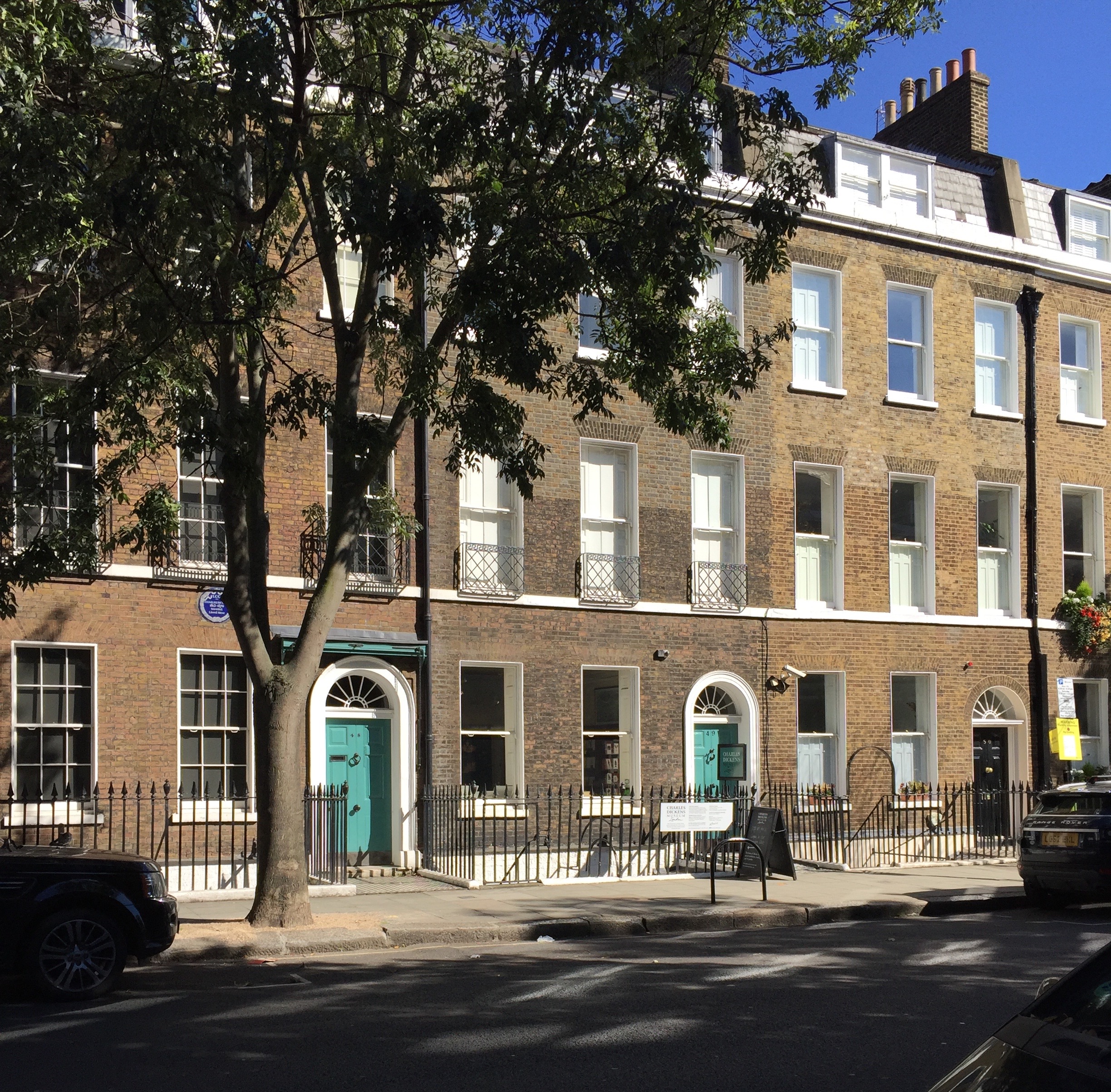
Photograph: The Charles Dickens House Museum in London.

Tuesday, December 1, 2015

A Month with Keats: Keats and Wentworth House


Anita Miller, our guide on the Keats Walk, leads us from Hampstead Heath and back toward the town of Hampstead. We pass a small circus, with circus music and clowns smoking cigarettes behind the big tent. We make our way through the crowds to a narrow street called Keats Grove. About four houses down, we come upon Wentworth House.

John Keats in his study by Joseph Severn
The house was built in 1816, not long before John Keats first encountered it. As our guide and the docent at the house tell us, it was originally what we Americans call a duplex, with a wall dividing the house into two separate residences. The left side was occupied by Charles Armitage Brown, Keats’ good friend and hiking companion, and Keats himself after his brother Tom died in December 1818. On the right was the Dilke family, who moved out and replaced by the Brawne family, including the eldest daughter, Frances, or Fanny, who became Keats’ great love and fiancĂ©e.

A meeting room on the left has been added in the recent past, suitable for lectures, poetry readings and other literary activities. Four rooms downstairs mirror four rooms upstairs, divided by the staircase, with the kitchen in the basement.

To continue reading, please see my post today at Tweetspeak Poetry.

Photograph: Wentworth House, known as Keats House today, where Keats wrote some of his greatest poems.